

Global Oil Crisis: Hormuz Blockade Triggers $100 Crude, India Turns to Russian Oil
US-Israel Iran conflict triggers global oil crisis as Strait of Hormuz disruption pushes oil prices above $100, forcing India and others to secure fuel supplies
Tanker disruptions in the Strait of Hormuz shake global energy markets, forcing countries like India to seek alternative oil supplies amid rising prices.
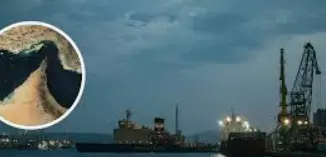
The US-Israel war 2026 on Iran has rattled worldwide energy markets, as countries mix up to safeguard fuel, preserve supplies and rethink exports. Tehran has efficiently halted most traffic through the Strait of Hormuz, a prime shipping lane in the middle of the Gulf.
It is also called as the Arabian Gulf, the Persian Gulf, and the Gulf of Oman. It supplies one-fifth of the world’s oil, in reprisal for the US-Israeli attacks, which began on February 28.
Since the traffic of the tanker severely reduced, a global oil crisis take place and crude oil costs surging past $100. The top oil-importing countries like Thailand and Bangladesh are looking for workarounds to turn away a crisis at home. It is also expanding crude suppliers and rationing fuel.
However, the analysts doubt that any option can ensure long-term stability for the energy as the Middle East stays the world’s prime oil and gas supplier.
India has recommended buying Russian oil after halting imports from its old ally following US approval against Moscow’s biggest producer of the oil.
It is after the US temporarily exempted India from approval on buying Russian oil shipments presently stranded at sea. It is focusing to avoid the prevent disruptions to global provide and curb additional spikes in energy prices. The 30-day waiver would end in early April, but it can be extensive by the Trump administration.
Energy expert Tatiana Mitrova to Al Jazeera stated that “Russian oil can help cushion a short-term supply shock, but its usefulness depends on two uncertain conditions: that Russian barrels remain available and that the discount remains meaningful.”





